Transforming Exhibits with Museum Exhibit Lighting

When it comes to creating unforgettable exhibits, lighting plays a crucial role. It’s not just about illuminating objects; it’s about crafting an experience that captivates visitors and brings stories to life. If you’ve ever walked into a museum and felt instantly drawn to a particular display, chances are the lighting had a lot to do with it. Today, I want to share how museum exhibit lighting can transform your exhibits, making them more engaging, accessible, and memorable.
Why Museum Exhibit Lighting Matters
Lighting is often the unsung hero of any exhibit. It sets the mood, highlights important details, and guides visitors through the narrative you want to tell. Without the right lighting, even the most fascinating artifacts can appear dull or get lost in the background.
Good museum exhibit lighting does several things:
Enhances visibility: It ensures every detail is clear without causing glare or shadows.
Creates atmosphere: Warm or cool tones can evoke different emotions and complement the exhibit’s theme.
Protects artifacts: Proper lighting minimizes damage from UV rays and heat.
Directs attention: Spotlights and focused beams help visitors focus on key pieces.
For example, imagine a delicate ancient manuscript displayed under harsh, bright lights. The glare would make it hard to read, and the heat could cause damage. Instead, using soft, diffused lighting with UV filters preserves the artifact and invites visitors to lean in and explore.
How to Use Museum Exhibit Lighting Effectively
If you’re organizing an event or designing a commercial space with exhibits, here are some practical tips to get your lighting just right:
1. Choose the Right Type of Lighting
There are several types of lighting to consider:
Ambient lighting: Provides overall illumination.
Accent lighting: Highlights specific objects or areas.
Task lighting: Used for interactive displays or reading areas.
Combining these types creates layers of light that add depth and interest.
2. Use Adjustable Fixtures
Flexibility is key. Adjustable spotlights or track lighting allow you to change angles and intensity as exhibits evolve. This adaptability is especially useful for temporary or traveling exhibits.
3. Consider Color Temperature
Color temperature affects how colors appear. Warm light (2700K-3000K) creates a cozy, inviting feel, while cooler light (4000K-5000K) is crisp and modern. Choose based on the mood you want to set and the nature of the objects.
4. Control Light Levels
Too much light can wash out colors; too little can hide details. Use dimmers and sensors to maintain optimal brightness throughout the day.
5. Protect Sensitive Items
Some materials, like textiles and paper, are sensitive to light. Use low-intensity LED lights with UV filters to prevent fading and deterioration.
6. Incorporate Interactive Lighting
Dynamic lighting that changes in response to visitor movement or touch can make exhibits more engaging. For example, a spotlight that follows a visitor’s path or lights that brighten when a display is activated.
By thoughtfully combining these elements, you can create an exhibit that not only looks stunning but also tells a story in a way that resonates with your audience.

Is there a museum of lights in New York City?
You might wonder if there’s a dedicated museum celebrating the art and science of lighting. While New York City is home to countless museums, there isn’t a specific "museum of lights." However, several institutions incorporate innovative lighting in their exhibits, showcasing how light can transform spaces and experiences.
For instance, the Museum of Modern Art (MoMA) often features installations that use light as a medium. Similarly, the New York Hall of Science includes exhibits demonstrating the physics of light and color. These places offer inspiration for how lighting can be both educational and artistic.
If you’re interested in exploring lighting technology and design, attending exhibitions or events focused on lighting innovation in NYC can be incredibly insightful. They often feature the latest trends in LED displays, stage lighting, and interactive installations.
The Role of Technology in Modern Museum Exhibit Lighting
Technology has revolutionized how we approach museum lighting. Gone are the days of static bulbs and fixed fixtures. Today, smart lighting systems allow for precise control and customization.
LED Lighting
LEDs are the go-to choice for modern exhibits. They are energy-efficient, produce less heat, and offer a wide range of colors and intensities. Plus, their long lifespan reduces maintenance costs.
Smart Controls
With smart lighting controls, you can program lighting scenes that change throughout the day or in response to visitor interaction. This adds a dynamic element to exhibits and can help conserve energy.
Projection Mapping
This technique uses projectors to cast images or animations onto surfaces, creating immersive environments. Imagine a dinosaur skeleton that comes to life with projected textures and movement, all enhanced by carefully designed lighting.
Integration with Audio and Sensors
Lighting can be synchronized with sound effects or triggered by motion sensors, creating a multisensory experience that captivates visitors.
By embracing these technologies, you can elevate your exhibits beyond static displays into engaging, interactive experiences.
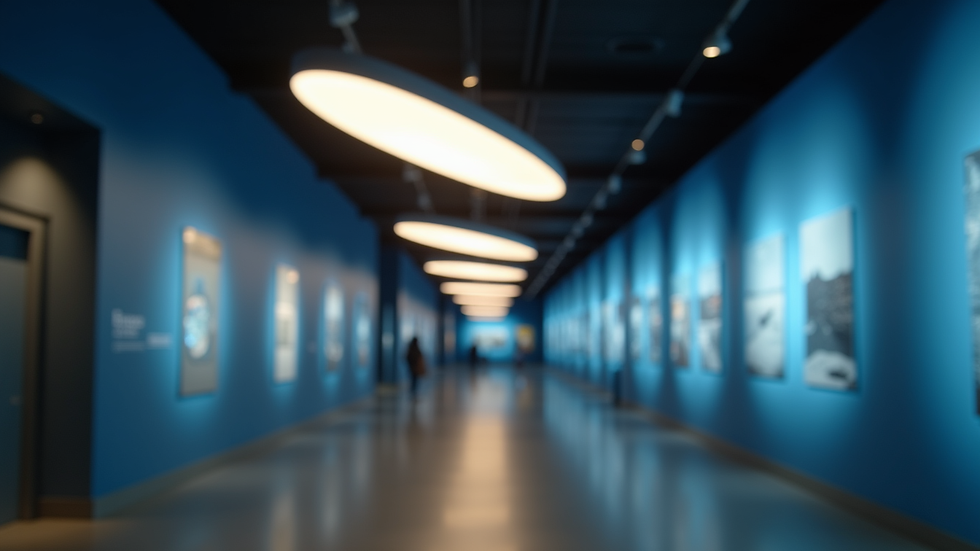
Practical Steps to Upgrade Your Exhibit Lighting Today
Ready to transform your exhibits with better lighting? Here’s a simple action plan to get started:
Assess your current lighting: Identify areas that are too dark, too bright, or lack focus.
Set your goals: Decide what mood or effect you want to create.
Choose the right fixtures: Look for adjustable, energy-efficient options like LEDs.
Plan your layout: Map out where ambient, accent, and task lighting will go.
Test and adjust: Experiment with angles and intensities to find the perfect balance.
Protect your artifacts: Use UV filters and low-heat lights for sensitive items.
Consider technology upgrades: Explore smart controls or projection mapping if your budget allows.
Remember, lighting is an investment that pays off by enhancing visitor engagement and preserving your exhibits.
If you want to explore high-quality lighting solutions, consider checking out Museum Light for reliable and innovative options tailored to your needs.
Lighting as a Storytelling Tool
Lighting is more than just a practical necessity; it’s a powerful storytelling tool. By carefully designing your lighting scheme, you can guide visitors through a narrative, highlight contrasts, and evoke emotions.
For example, dim lighting with focused spotlights can create a sense of mystery around ancient artifacts. Bright, colorful lights can energize a modern art exhibit. Soft, warm lighting can make historical portraits feel intimate and personal.
Think about the story you want your exhibit to tell. Then, use lighting to emphasize key moments, create transitions, and invite visitors to linger and reflect.
Final Thoughts on Museum Exhibit Lighting
Transforming exhibits with museum exhibit lighting is both an art and a science. It requires understanding your space, your objects, and your audience. But with thoughtful planning and the right tools, you can create displays that are not only visually stunning but also deeply engaging.
Lighting shapes how we see and feel. It can turn a simple display into a memorable experience. So, don’t underestimate its power. Embrace the possibilities, experiment boldly, and watch your exhibits come to life in new and exciting ways.


Comments